

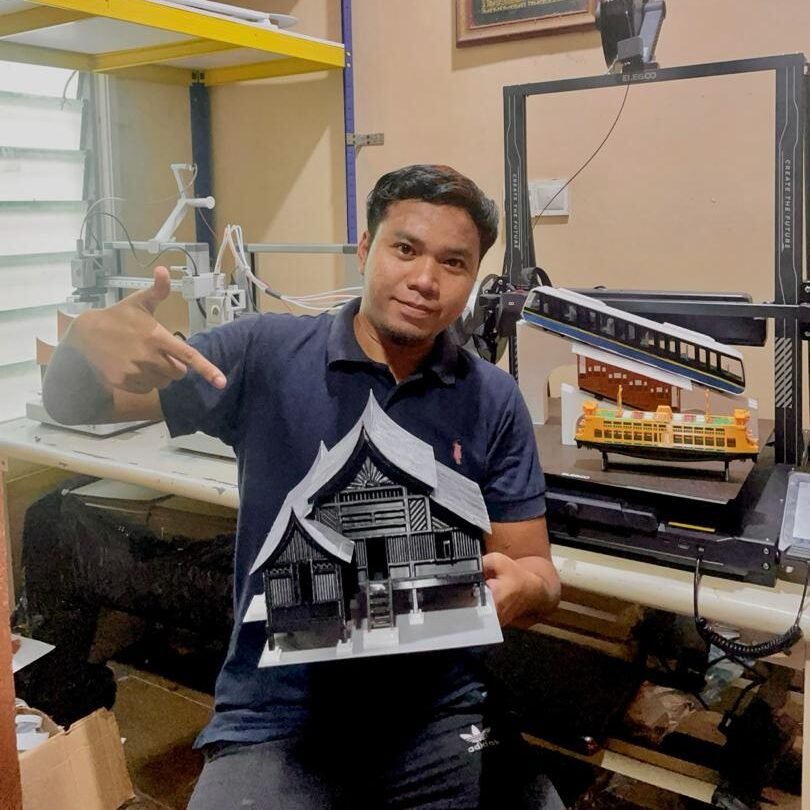
Local heritage and culture are gradually fading in the digital age, particularly among younger generations. But for 26-year-old Hafiz Khalid from Penaga, Penang, local heritage holds a special place. He believes that our traditions and culture must be preserved in the modern era, and he has turned that belief into a driving force — using 3D printing technology to keep local heritage alive through the creation of replicas.
From Factory Work to 3D Printing
Hafiz’s journey into 3D printing began during his time working at a manufacturing factory. There, he was exposed to the moulding process used for mass production. At some point, he began wondering how products were actually developed before the real mould was made. That curiosity led him to ask a factory engineer about the early stages of product development.
The engineer explained that most product samples and prototypes are first produced using 3D printing technology, before the mould is developed for large-scale manufacturing. This opened a new perspective for Hafiz and gave him the realisation that almost every product we use today begins as an idea that gets translated into a prototype through 3D printing. From that point, he began researching the technology on his own, understanding how it works and exploring its potential in product development.
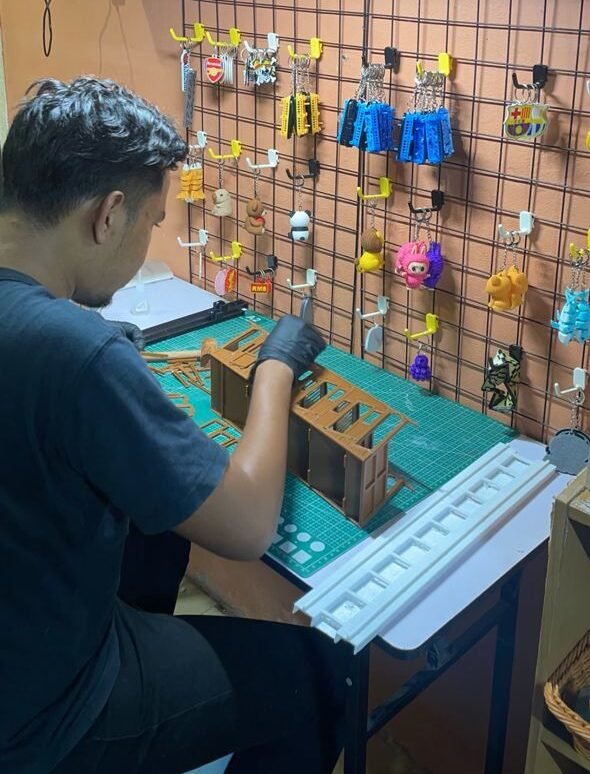
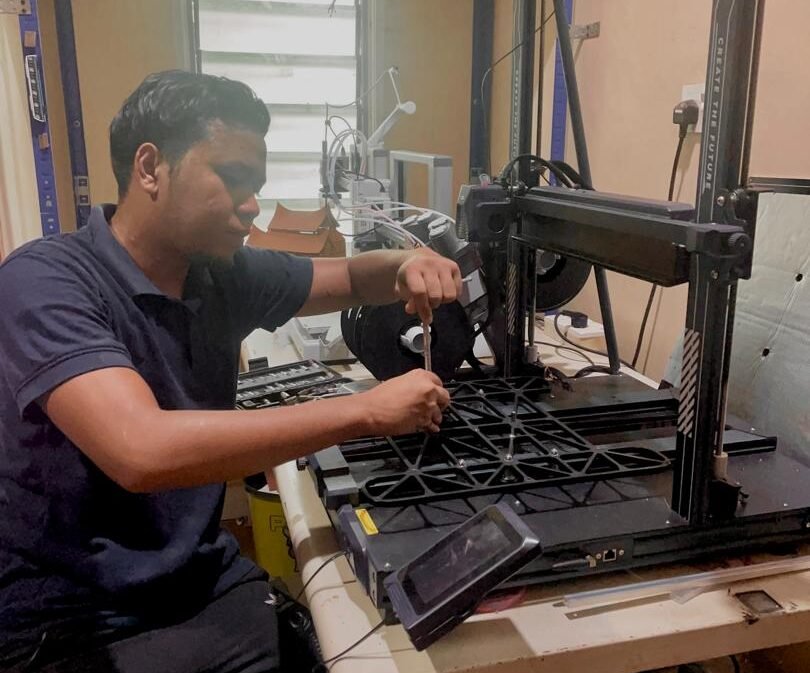
The more he learned, the more he was drawn to 3D printing’s ability to turn digital ideas into physical products in a short time. What started as curiosity gradually grew into a deep interest, and eventually sparked the idea of building his own business in the 3D printing space.
Mosque Art as the Inspiration to Enter 3D Printing
Hafiz’s biggest inspiration for exploring 3D printing came from his own father, who was involved in the art and interior design of mosques. Growing up, he often watched his father produce various decorative elements such as calligraphy carvings and mosaic patterns that required precision, creativity and patience. From that, he developed an appreciation for the value of craftsmanship and how an idea can be translated into something others can see and appreciate.
When he discovered 3D printing, he saw it as a new medium that combined art, design and technology into a single process. What captured his interest was 3D printing’s ability to produce something complex from nothing more than an idea on a computer. He began imagining how the technology could be used to create replicas of local heritage — the Traditional Malay House, the Penang Ferry and the Penang Hill Train — so that history and local identity could be appreciated in a form closer to everyday life. For Hafiz, 3D printing is not just a manufacturing technology, but a way to carry forward the creative spirit he learned from his father while bringing art and heritage into a more modern era.
3D Printing in a Product Design Business
Hafiz runs a business focused on designing and producing products using 3D printing technology. It began from a deep interest in digital design and a desire to create products that are unique and carry their own value. In the early stages, he concentrated on producing replicas of buildings and local heritage.
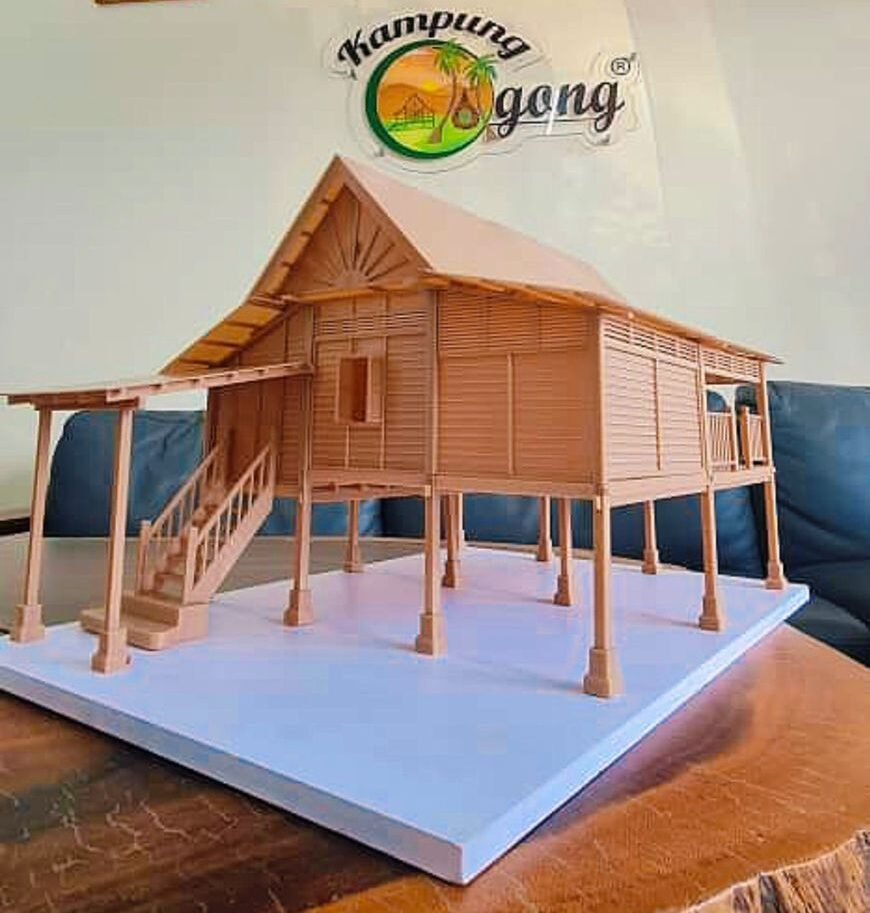
One of his earliest completed projects was a replica of the Traditional House of Cik Nin in Kampung Agong, Penaga. That project opened his eyes to the enormous potential of 3D printing in reviving local heritage and identity in a form that is more modern and accessible to the public.
He then moved on to producing replicas of the Penang Ferry — an icon deeply connected to the history and daily life of Penang’s community. The response from the local community and heritage enthusiasts was very encouraging, giving him the confidence to continue developing products themed around Malaysian heritage.
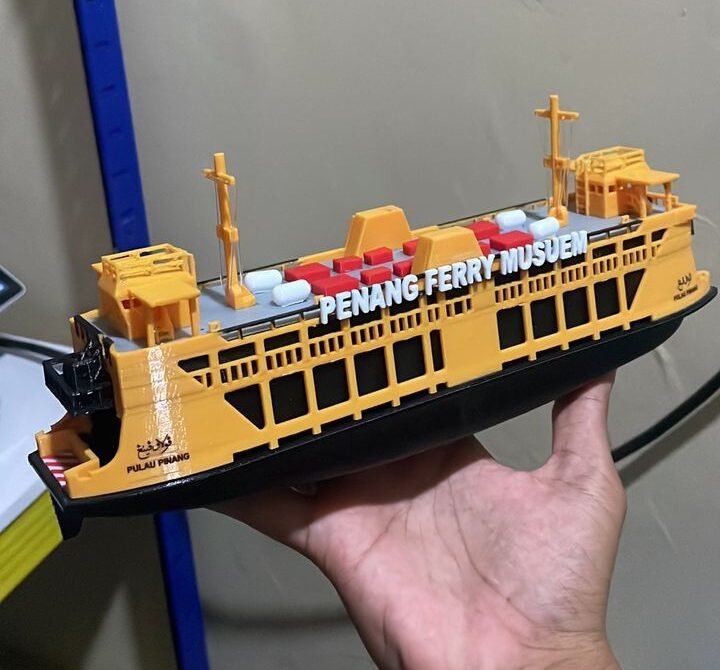
That effort eventually caught the attention of the Penang Ferry Museum, which opened the door to a collaboration to produce official Penang Ferry merchandise. Through this partnership, he was trusted to produce ferry replicas as well as souvenirs such as keychains and fridge magnets, which are now part of the merchandise collection offered to museum visitors.
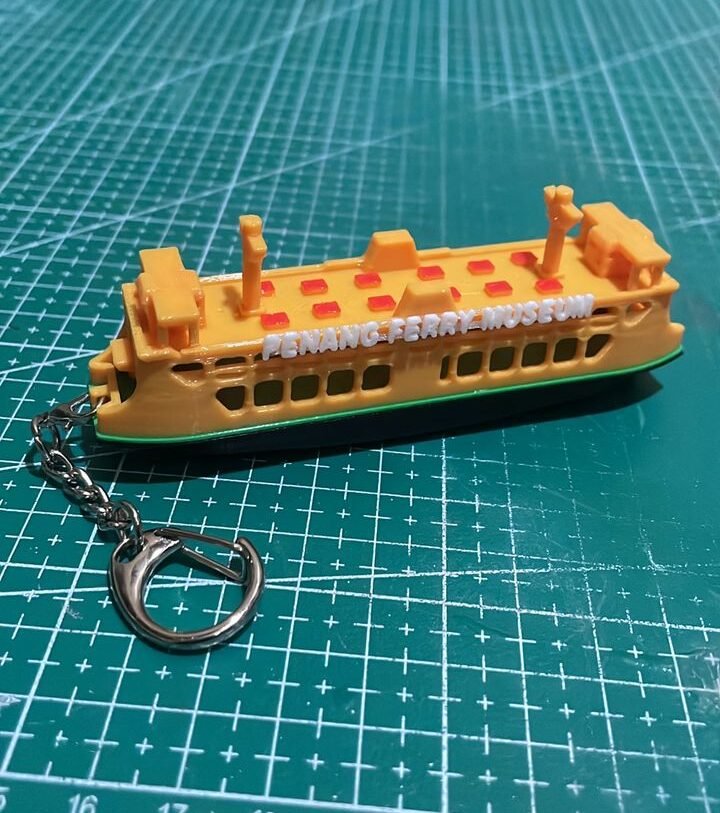
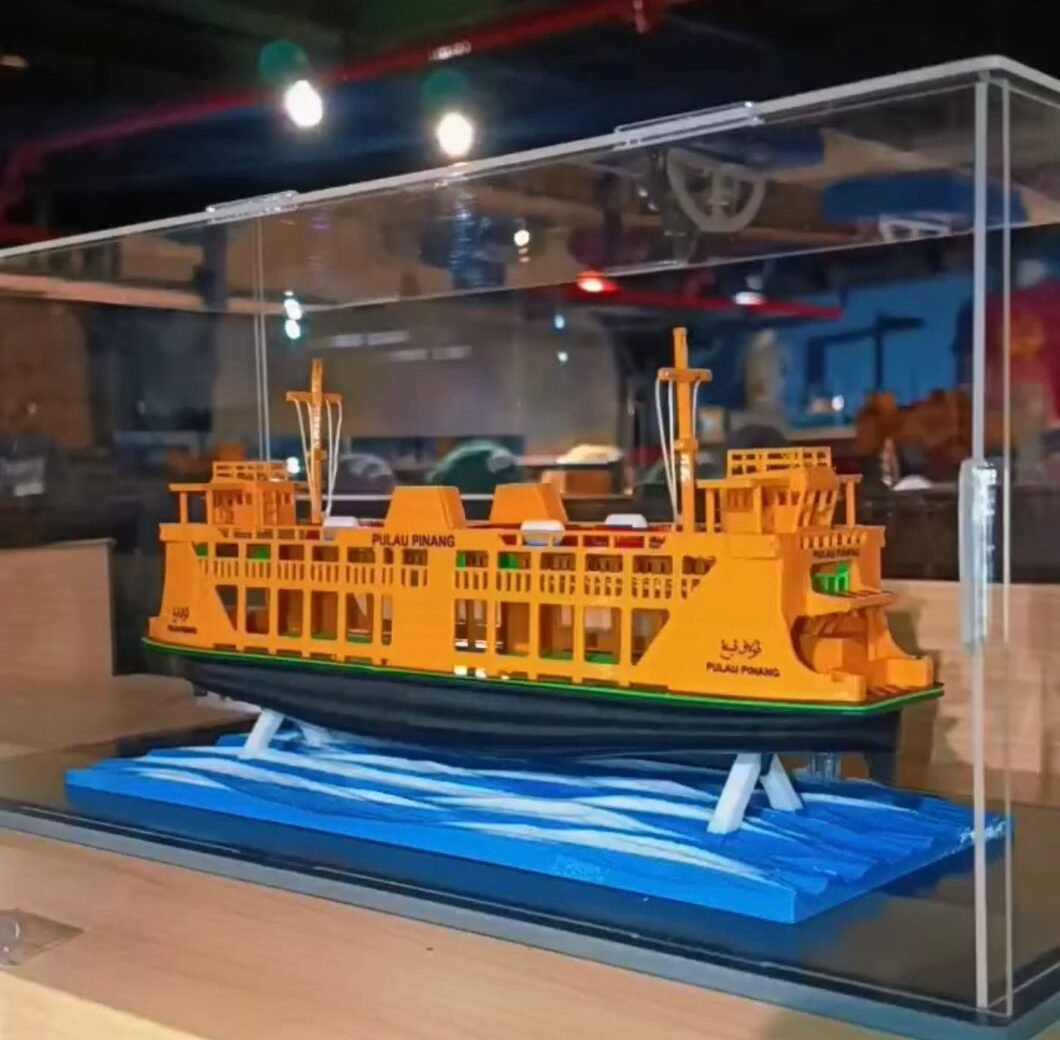
To this day, he continues producing replicas and souvenirs inspired by Malaysian heritage and icons including the Traditional Malay House, the Penang Ferry and the Penang Hill Train. Beyond selling finished products, he also undertakes custom product development based on client requirements, from the initial idea and design all the way through to the final ready-to-use product.
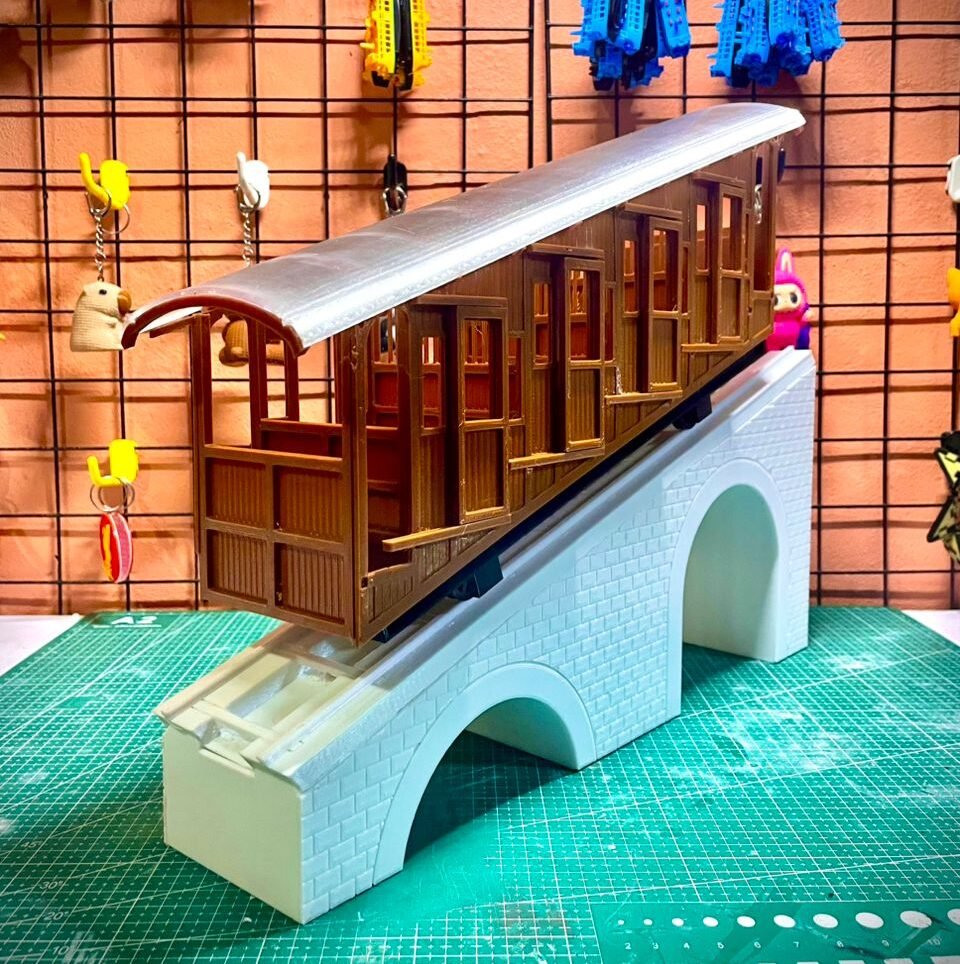
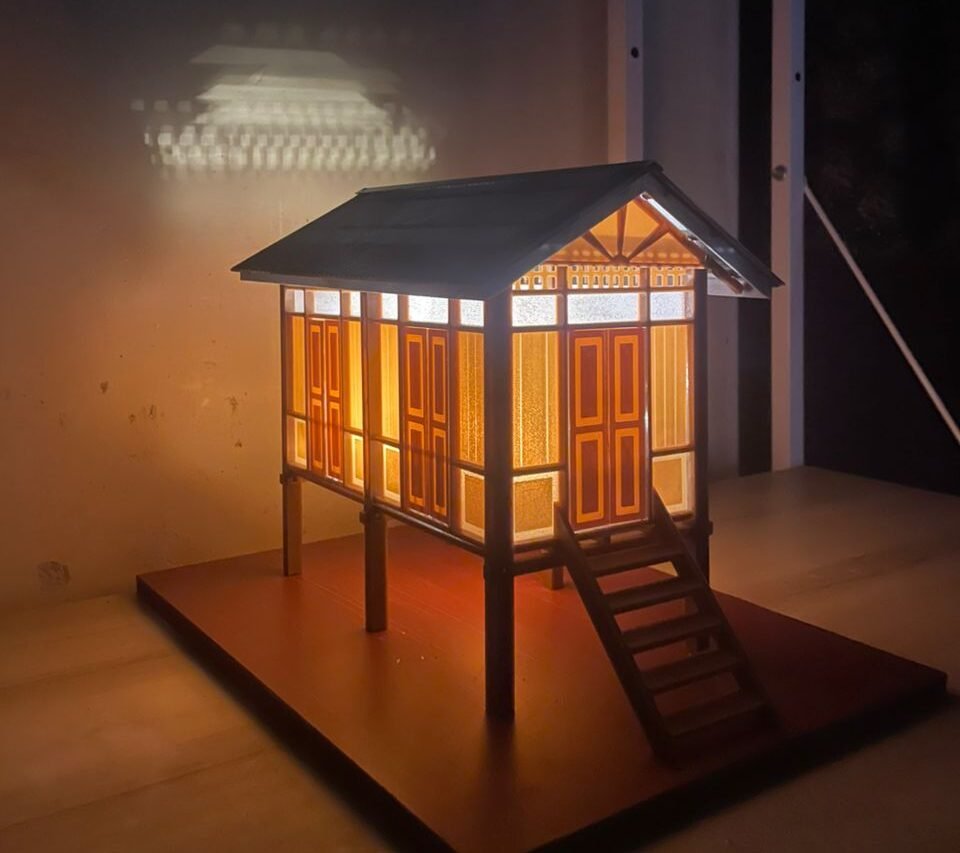
For Hafiz, every product he creates is not merely a 3D print — it is an effort to preserve and reintroduce local heritage to the current generation through a combination of art, history and technology.
Products Created Using 3D Printing Technology
- Traditional Malay House replica
- Penang Ferry replica
- Penang Hill Train replica (Penang Hill Railway)
- Keychains and souvenirs
- Custom products based on client requests
Every product goes through a process of research, design, prototyping and refinement before it is brought to market.
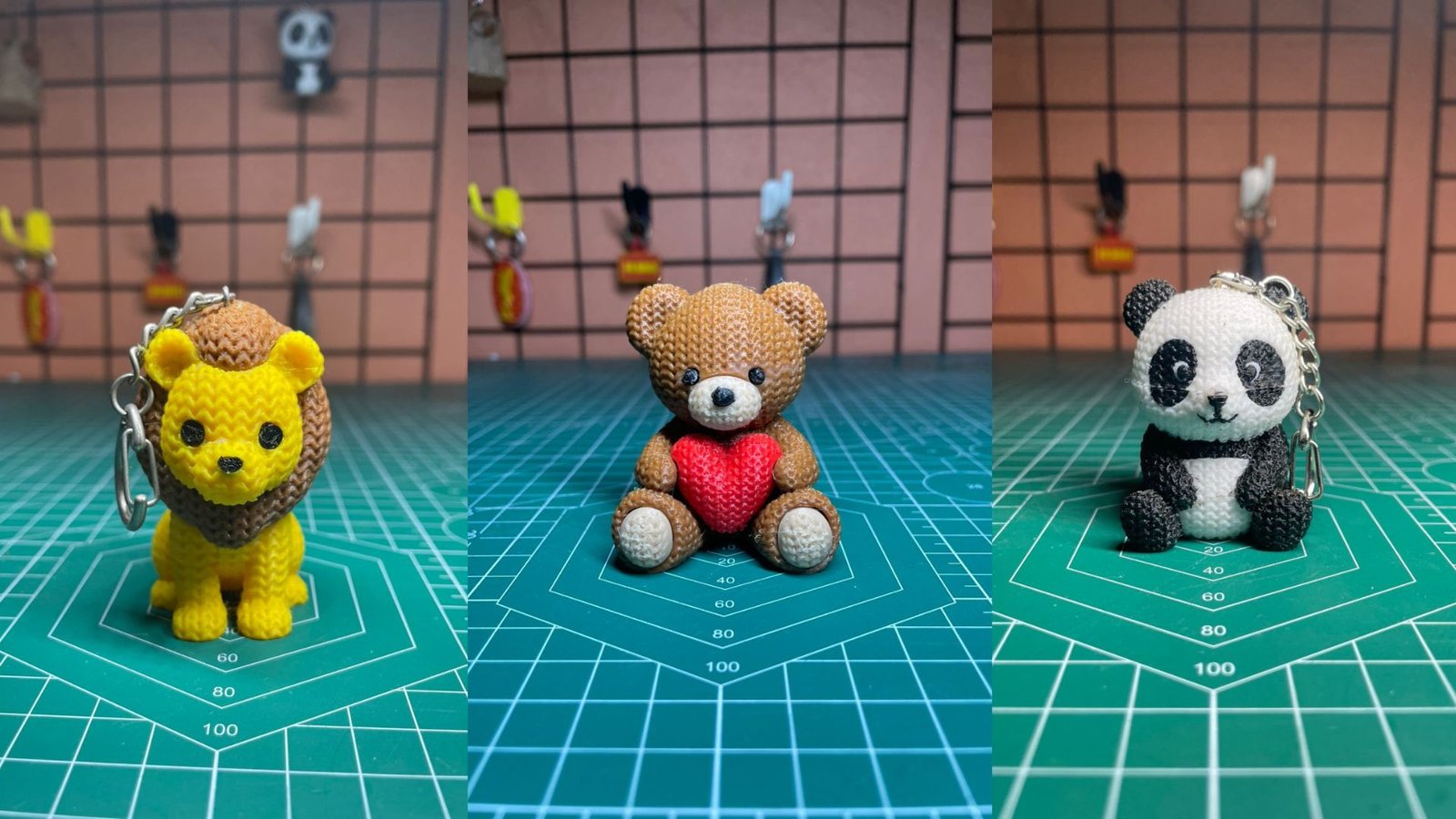
Technical Process for Heritage Replica Product Design
In the initial stage, Hafiz uses SketchUp to draw and form each product digitally. For 3D printing, he uses two machines — the Bambu Lab A1 and the Elegoo Neptune 4 Max. He typically prints using PLA and PETG filament.
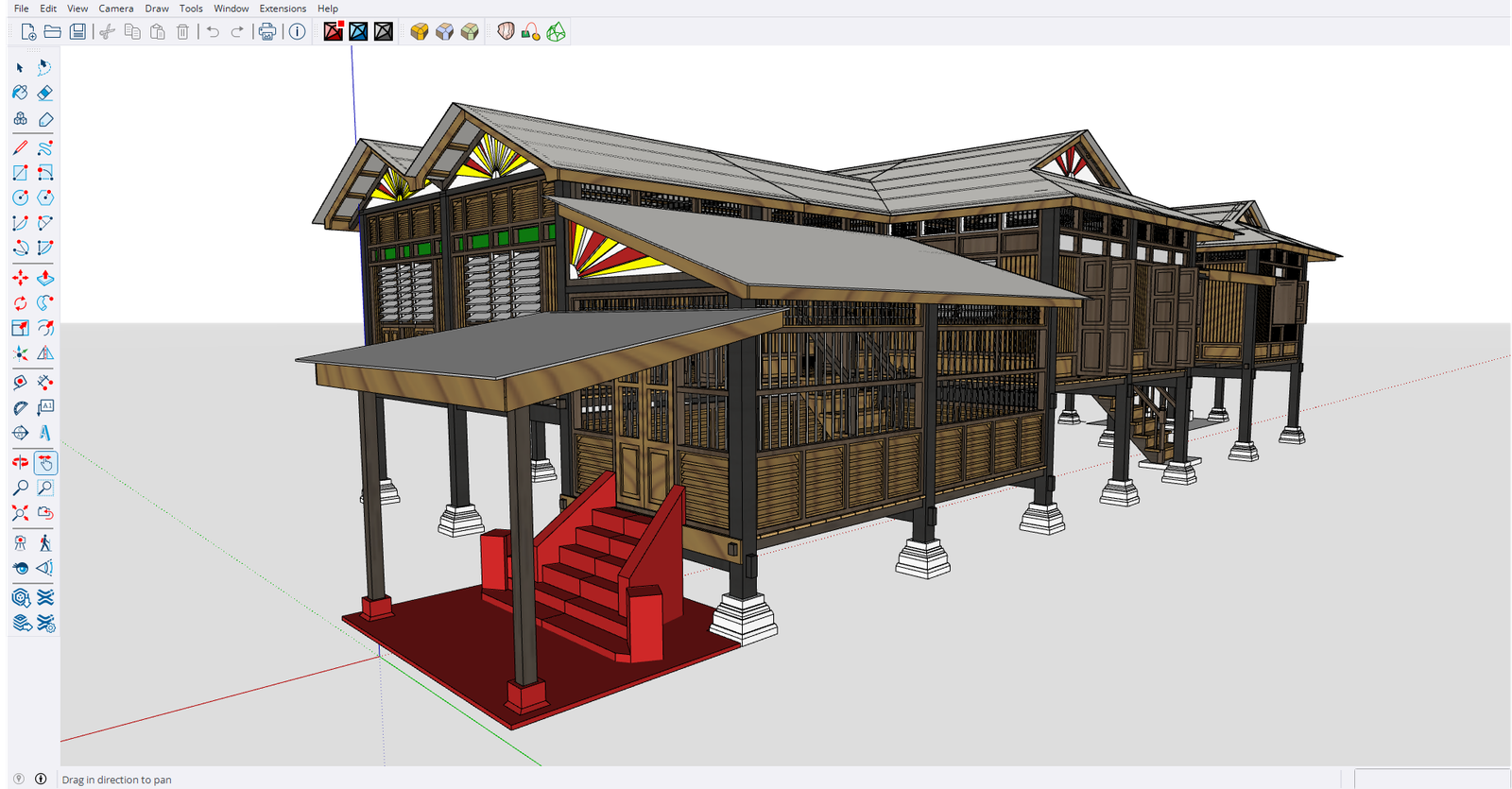
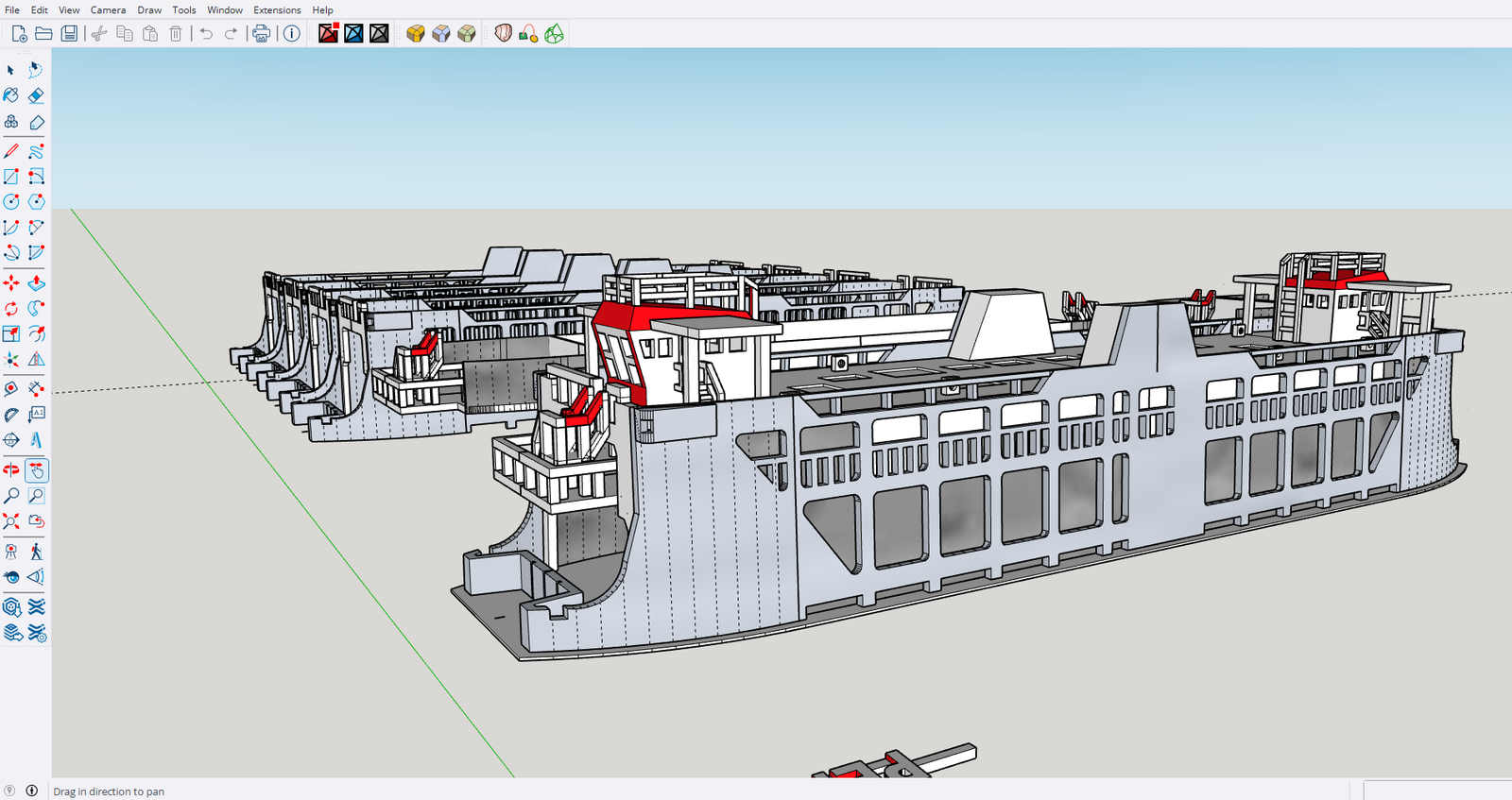
The time required to develop a product depends on the complexity of the design. On average, the process from initial idea to a product ready for sale takes between one week and two months. For products involving historical research and design accuracy — such as heritage replicas — the process typically takes longer, requiring extensive reference material and multiple rounds of prototyping.
Challenges in Developing Original Products
Building a 3D printing product business is not straightforward. Beyond requiring creativity in producing attractive designs, it demands a high level of patience, as every product goes through multiple rounds of testing before a satisfying result is achieved.
One of the main challenges Hafiz regularly faces is in the 3D modelling process itself. Even when a model looks perfect in SketchUp, it sometimes does not translate well when exported to slicing software. This can result in various errors such as imperfect mesh, overlapping faces, broken geometry or warnings that prevent the model from printing correctly.
Preparing a model for printing also has its own challenges. To achieve a clean, quality print, various slicer settings must be adjusted — layer height, supports, infill and model orientation. Sometimes a model needs to go through several test prints before reaching the right balance between quality, print time and material use.
Another recurring challenge relates to the printing material itself. Filament quality plays a critical role in achieving good print results. Filament that has absorbed moisture from the air can cause problems such as stringing, blobs, uneven surfaces and defects in the finished print. Because of this, filament must be stored and dried properly before use to ensure consistent print quality.
Beyond technical challenges, there are also challenges on the product development and marketing side. Some products require many prototypes and several rounds of improvement before they are truly ready for the market. At the same time, he also has to find ways to introduce his products to the market and help customers understand the value behind products made with 3D printing technology.
Despite facing print failures, design problems and technical setbacks, each difficulty has become a valuable experience in improving his skills and product quality. For Hafiz, every problem successfully resolved is one step forward in building this business.
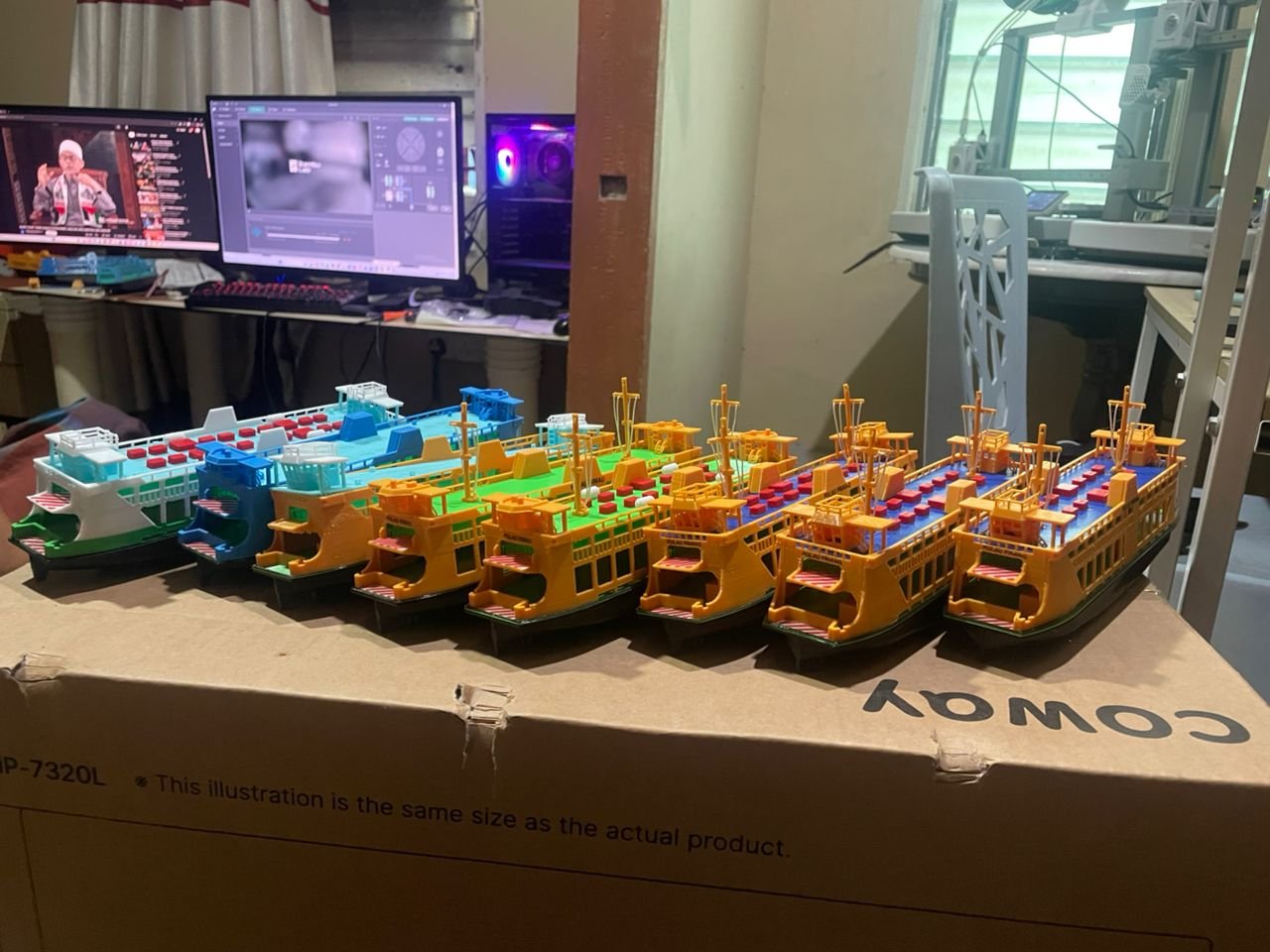
One of the most meaningful moments in this journey was when his replicas gained attention from the local community and institutions that value Malaysian heritage. That became the motivation to keep producing products that are not only visually appealing, but also carry historical and cultural significance.
Social Media & Products
You can follow Hafiz on his social media platforms below to keep up with his business updates, 3D printing projects and products for sale:
- TikTok: https://www.tiktok.com/@hafizkhlid
- Instagram: https://www.instagram.com/hfizkhlid_
- Facebook: https://www.facebook.com/share/18kCK4jG9Z/
- Threads: https://www.threads.com/@hfizkhlid_
Looking to buy a 3D printer in Malaysia?
We’ve put together a curated list of 3D printing shops, filament suppliers, and service providers across Malaysia.
View the directory →Don’t miss the latest articles and guides
Get new Domechy articles, guides and free models straight to your inbox.

Wanna share your thoughts or request anything? Comment below.