
Domechy is starting a new collaboration with Tripo AI, an AI-powered 3D generation platform that turns text prompts and images into 3D models.
This collaboration is especially meaningful to us because it gives us an opportunity to explore how AI-generated 3D models fit into a real 3D printing workflow, and it is a chance to test something we have been thinking about for a while, which is whether Domechy can connect talented makers in our community with companies looking for people who genuinely understand 3D printing, 3D modelling and content creation.
What is Tripo AI
Tripo AI is a generative 3D platform that allows users to create 3D models from text prompts and reference images. For makers, one of the most interesting parts is how quickly it can turn an idea into a model that you can start working with.
Creating a custom 3D model traditionally requires a lot of modelling time, especially for organic shapes, characters, decorative objects or concepts that are difficult to build using conventional mechanical CAD. With tools like Tripo, you can start with an image or a written idea, generate a 3D model, then continue refining it before bringing it into your normal 3D printing workflow.
This does not mean AI replaces traditional 3D modelling, because for functional parts, accurate dimensions, mechanical assemblies and engineering work, conventional CAD remains extremely important. Generative 3D is useful for a different set of things:
- decorative models
- character-inspired objects
- props
- artistic designs
- concept development
- quickly exploring different ideas before committing to one
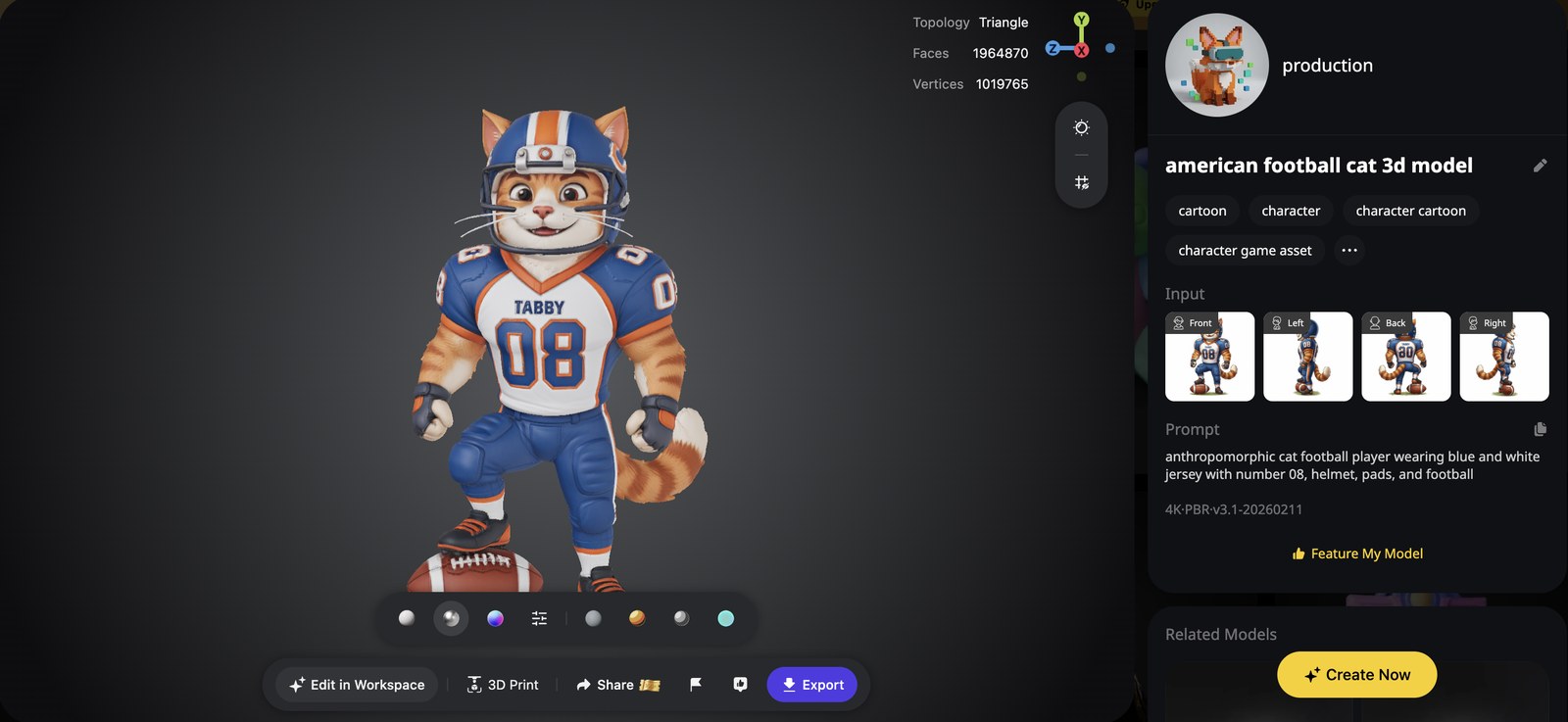
How far an AI-generated 3D idea can be taken before it becomes an actual physical object is one of the areas we want to explore more deeply during this collaboration.
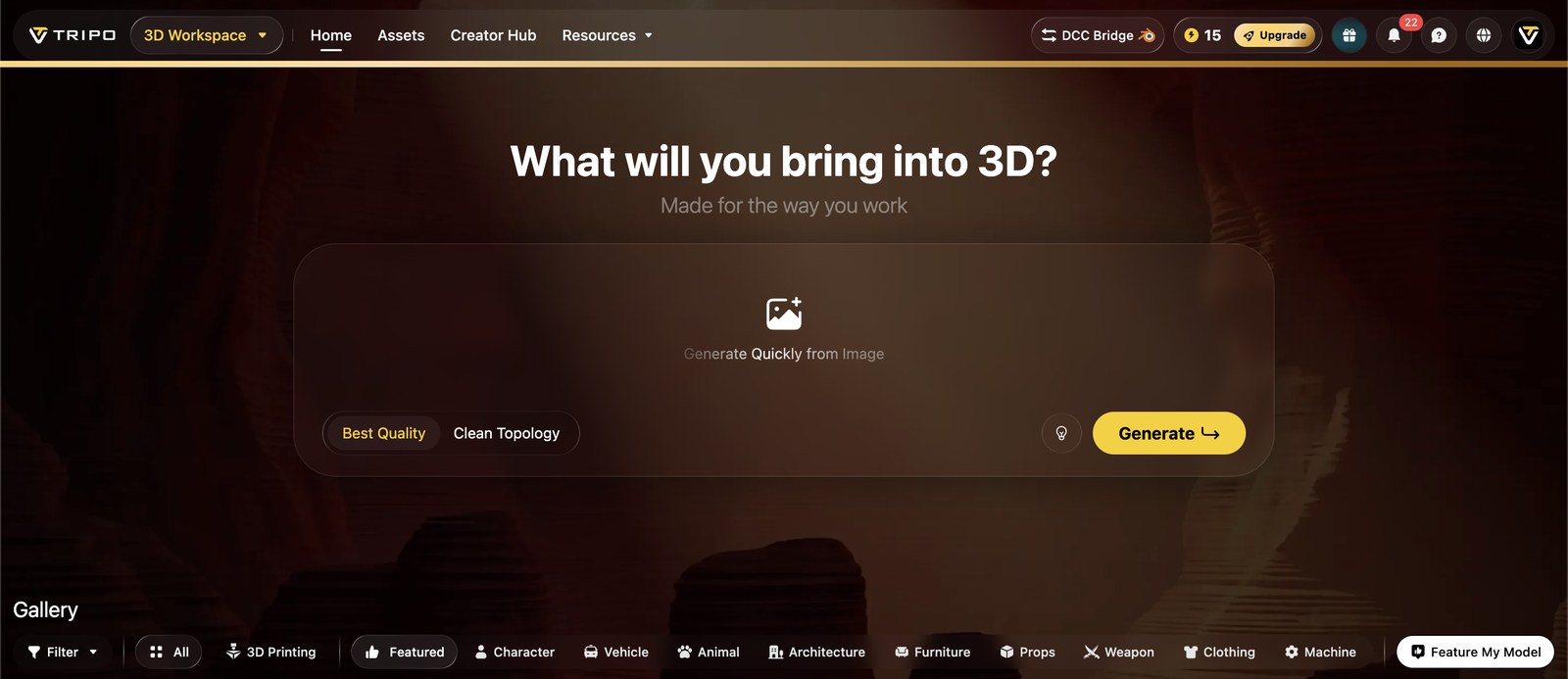
From AI model to physical object
Together with Tripo, Domechy is producing short-form video content around Tripo and its applications in 3D printing, and the workflow goes well beyond generating a model on a computer. We will be working through the full process: starting from an idea, generating or developing the 3D model, refining it where necessary, 3D printing the object, and finally turning that process into finished video content.
That makes this particularly relevant to Domechy, because it sits directly between the two areas we already spend most of our time on, which are digital design and physical making. We also want to understand where generative 3D already works well for makers, where traditional modelling is still necessary, and how both approaches can be used together.
If you have never experimented with AI-generated 3D models before, Tripo is worth trying for yourself. Start with an image or an idea, generate something, and see how far you can take it toward a real 3D print. We will be doing the same throughout this collaboration and sharing what we learn along the way.
Involving makers from the Domechy community
There are talented people within the Domechy community who are good at very different things. Some are strong in CAD and 3D modelling, others understand 3D printing extremely well, and some are good photographers, videographers, editors or content creators.
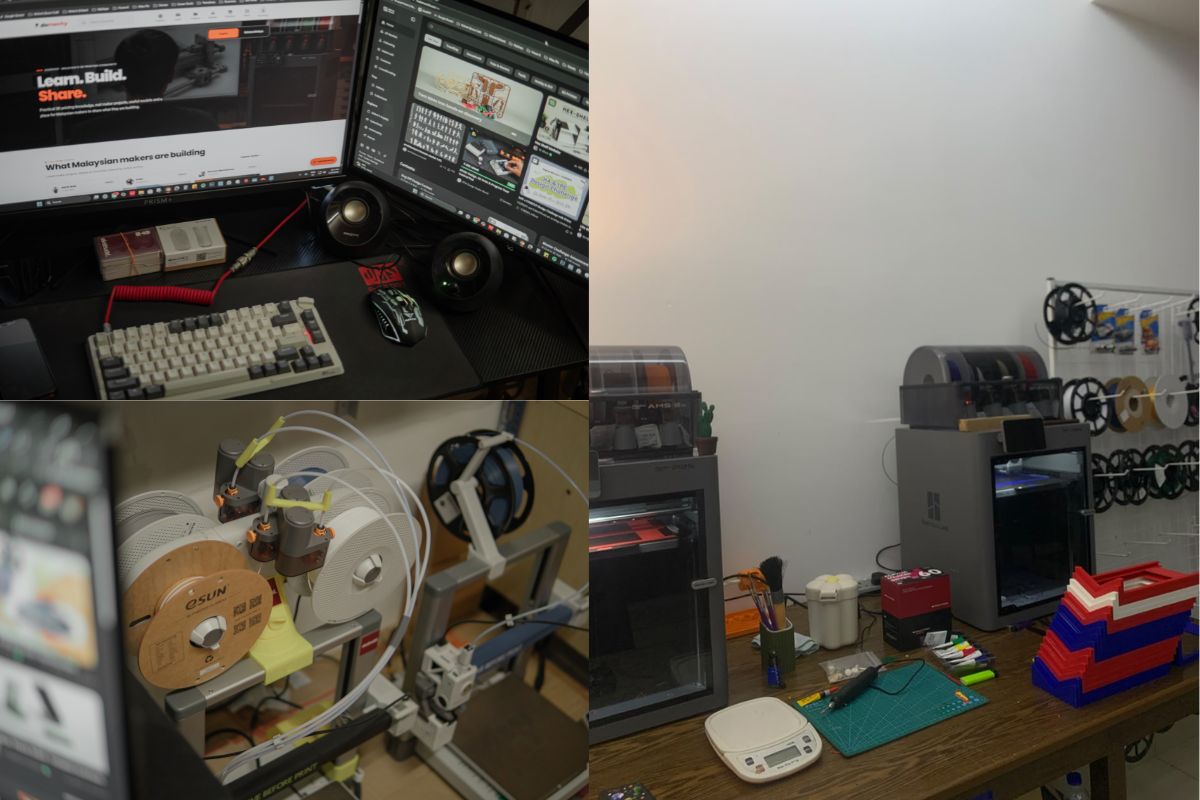
Rather than expecting one person to be excellent at everything, Domechy can bring those skills together. For this collaboration, Domechy coordinates the overall production while selected makers and creators contribute to different parts of the process. This is exactly the kind of workflow we want to explore more seriously.
Creating more opportunities for makers
Domechy was never intended to become only another website that publishes 3D printing articles. We want it to eventually become an ecosystem where makers can learn, document their work, share what they build and find new opportunities through the skills they develop.
There are extremely capable makers who do not always have the opportunity to work with companies outside their own network. At the same time, companies working in 3D printing, 3D modelling and related technologies often need people who actually understand how these tools are used in the real world. Domechy can help connect those two sides.
Collaborations like this one are how that connection becomes real. They give makers in the community paid production work on projects that matter to a brand, and they give the brand people who understand the tools rather than people who only understand video.
We started Domechy as a place for makers to learn and share. Work like this is our first serious test of whether Domechy can also become a place where those skills create opportunities. Along the way we will be experimenting with Tripo ourselves, to see what happens when AI-generated 3D models leave the screen and become real, physical objects.
Brands interested in this kind of production work can reach us at hello@domechy.com.
Sources
Don’t miss the latest articles and guides
Get new Domechy articles, guides and free models straight to your inbox.

Tapi tak reti guna. Haritu try tapi dia tak generate pun gambar
Oh ye ke. Kena buat tutorial kot ni. Sbb saya guna okay je
Mungkin saya prompt tak ok kot or gambar tak clear.. saya tengok tiktok je haritu
Mantap tuan
terima kasih!
terbaik! ❤️
terima kasih 😄